Testing Laboratory
Pulse Mobility Lab has laboratories with testing accredited by IPAC in accordance with the ISO/IEC 17025 standard, ensuring high standards of scientific rigour, technical competence and international recognition of the testing carried out.
We carry out validation, qualification and reliability testing of components and subsystems, in compliance with national and international standards, as well as with technical specifications from automotive manufacturers (OEM).
With a strong focus on applied engineering and the development of test methods, we continuously adapt our laboratory capabilities to new regulatory and technological requirements. We develop and implement innovative testing methods capable of keeping pace with the evolution of new materials, advanced electronics, electrical systems and emerging technologies.
We have state-of-the-art equipment and highly specialised teams, enabling us to carry out complete validation and qualification programmes for components intended for mobility.
-
Corrosion and Climatic Ageing Testing
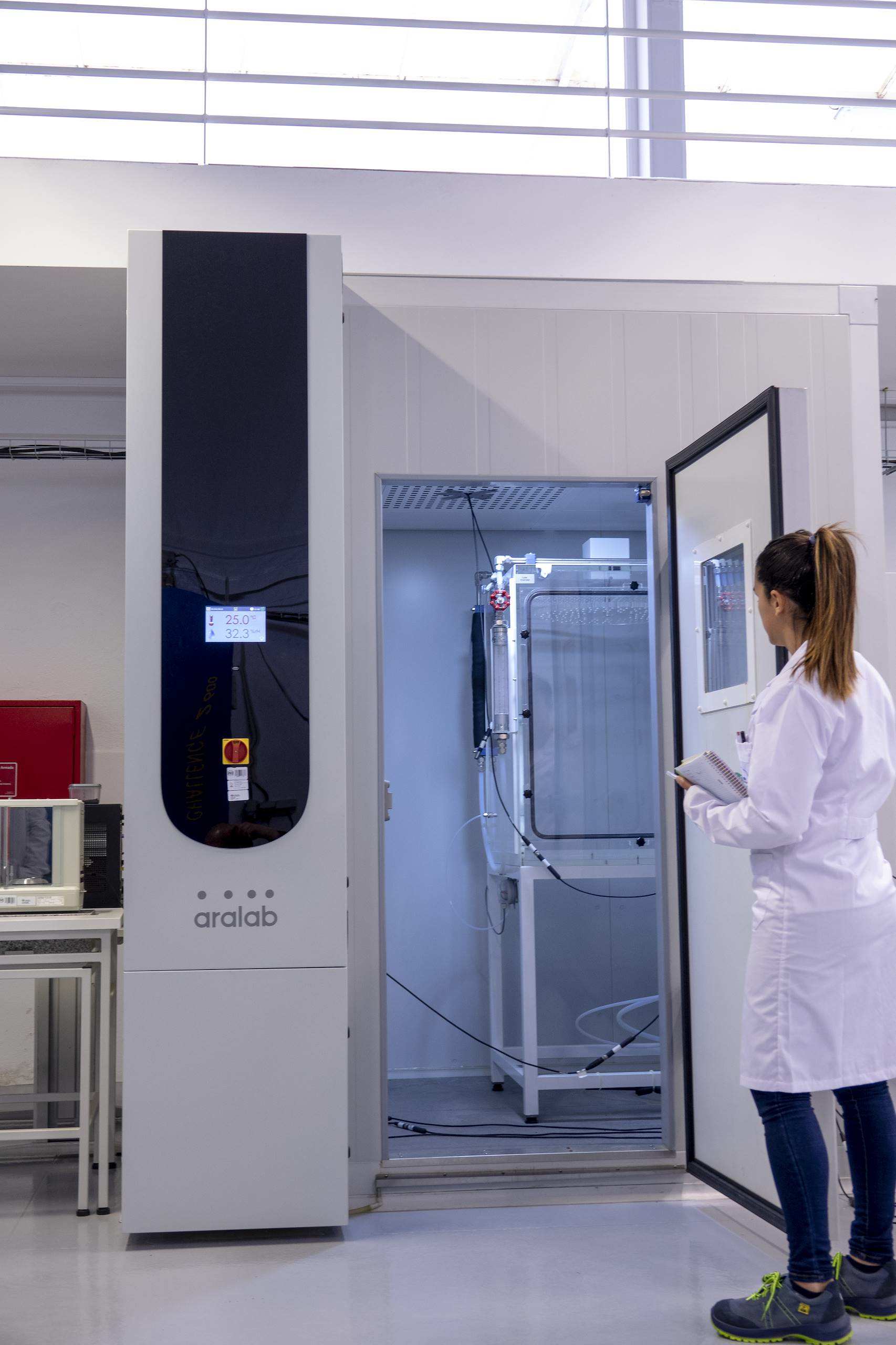
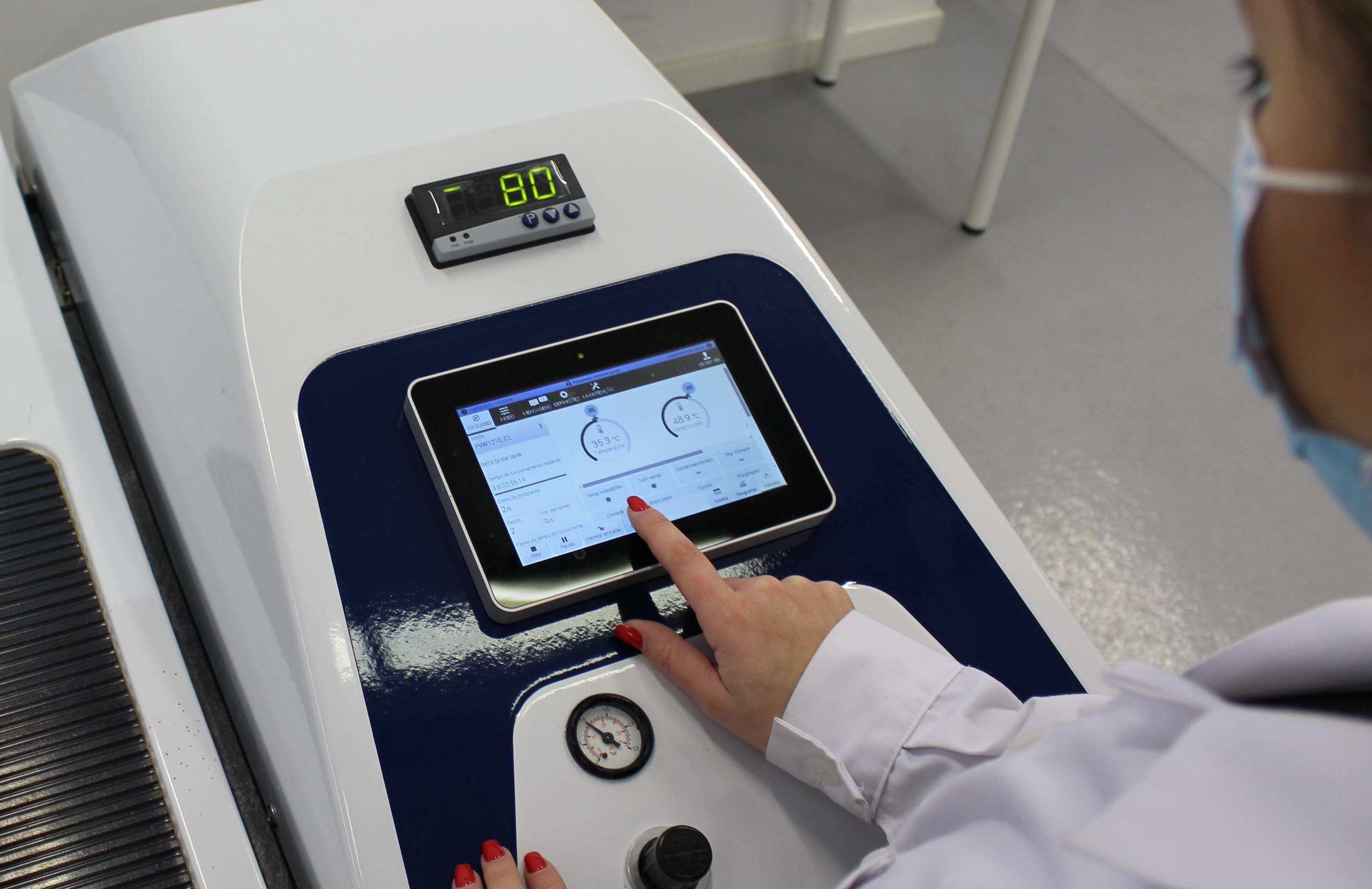
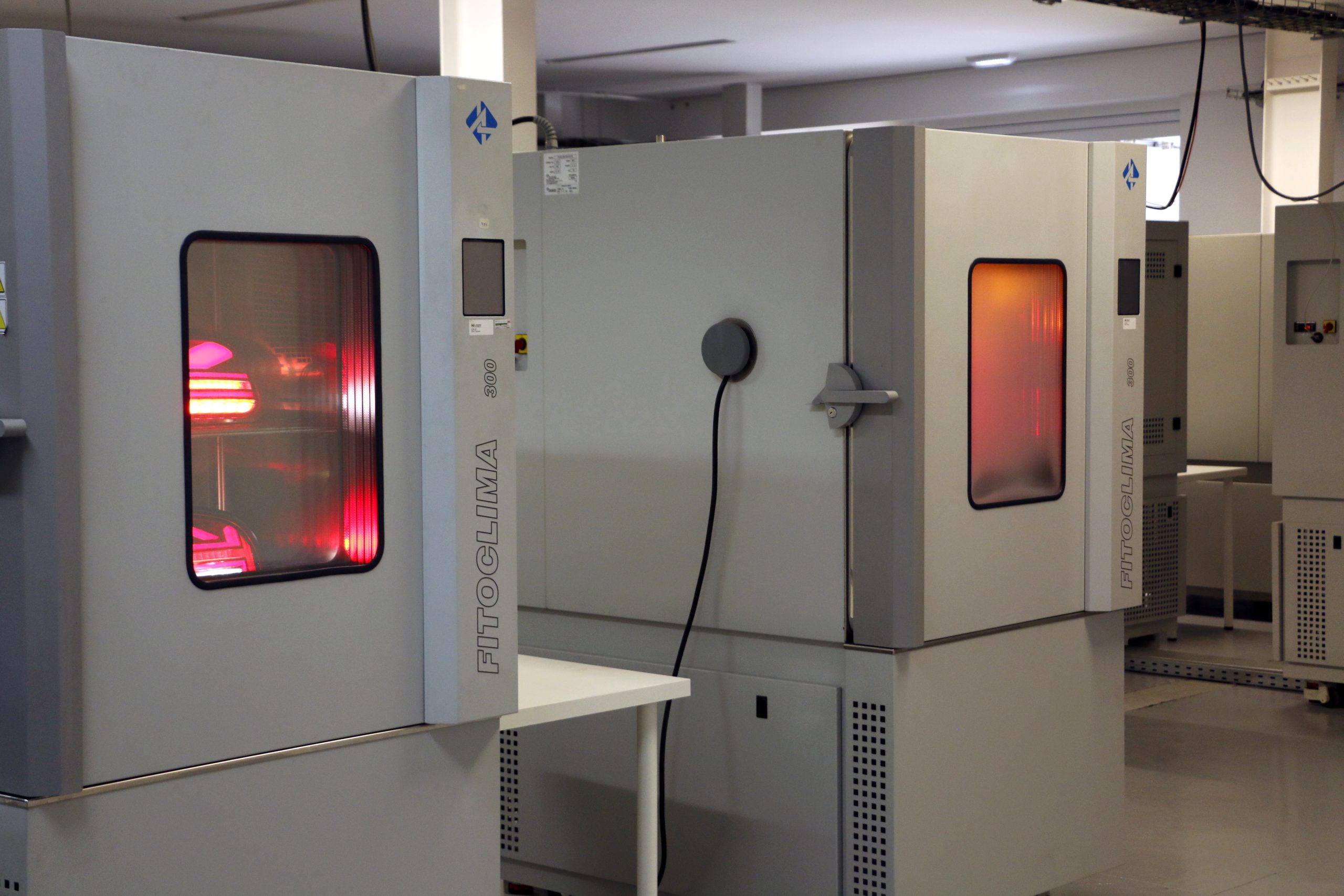
We validate the durability and reliability of components and subsystems by simulating severe environmental conditions, including temperature, humidity, solar radiation and corrosive environments. The tests carried out make it possible to assess the performance and resistance of materials and components when subjected to extreme climatic conditions throughout their life cycle.
Capabilities
- Climatic testing (temperature, humidity and thermal shock)
- Temperature testing
- Salt spray and cyclic corrosion testing
- Mixed gas corrosion testing (Cl₂, NO₂, SO₂, H₂S)
- Solar radiation testing
-
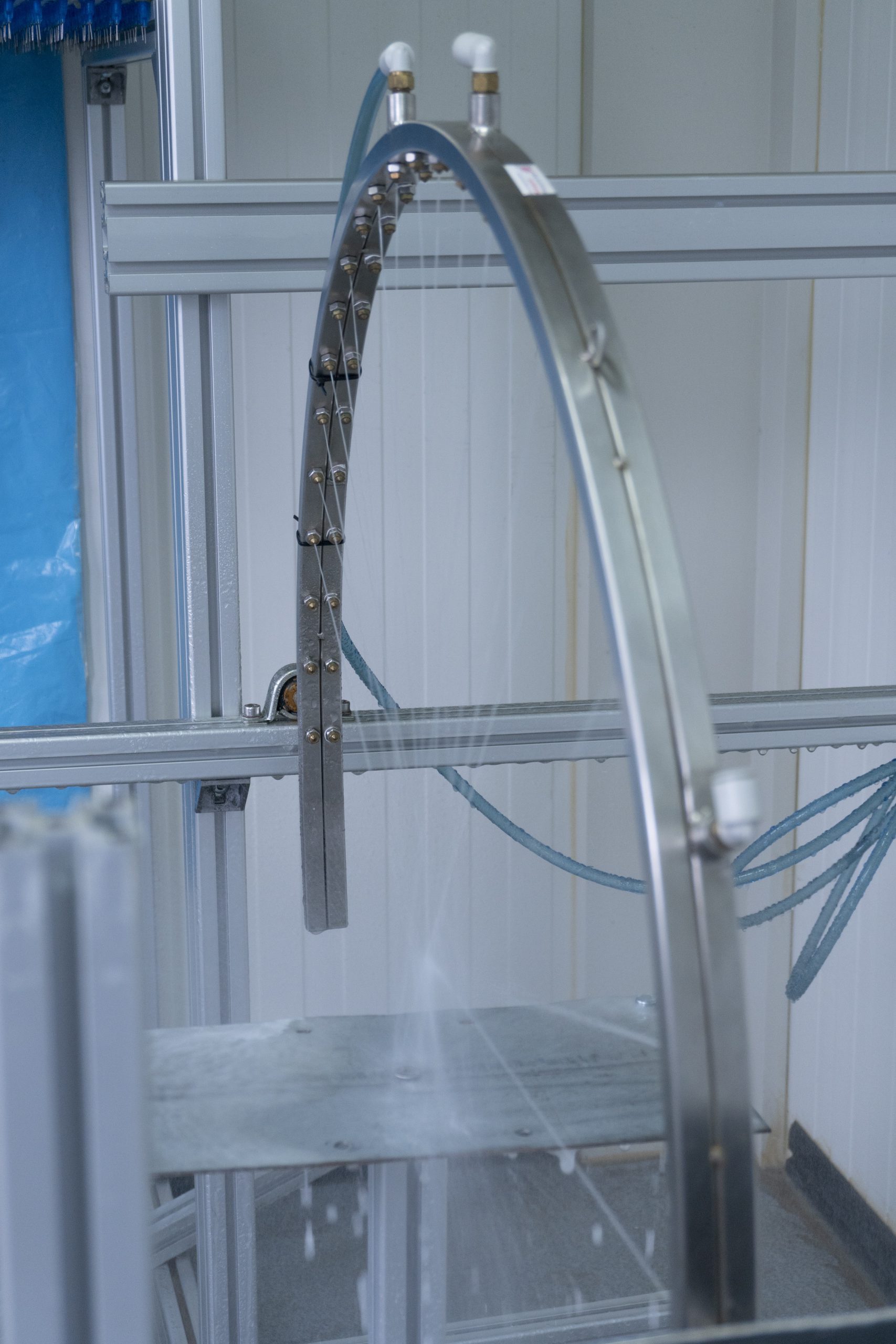
Degree of Protection Testing
We assess the degree of protection of components and subsystems against the ingress of solids and liquids, in accordance with the IP – Ingress Protection code.
These tests are essential to ensure the watertightness, robustness and reliability of electrical and electronic systems, particularly in demanding environments such as the automotive sector.
Capabilities
- Protection testing against dust and solid particles
- Protection testing against water and liquids
- Validation of the watertightness of electronic and mechanical components
-
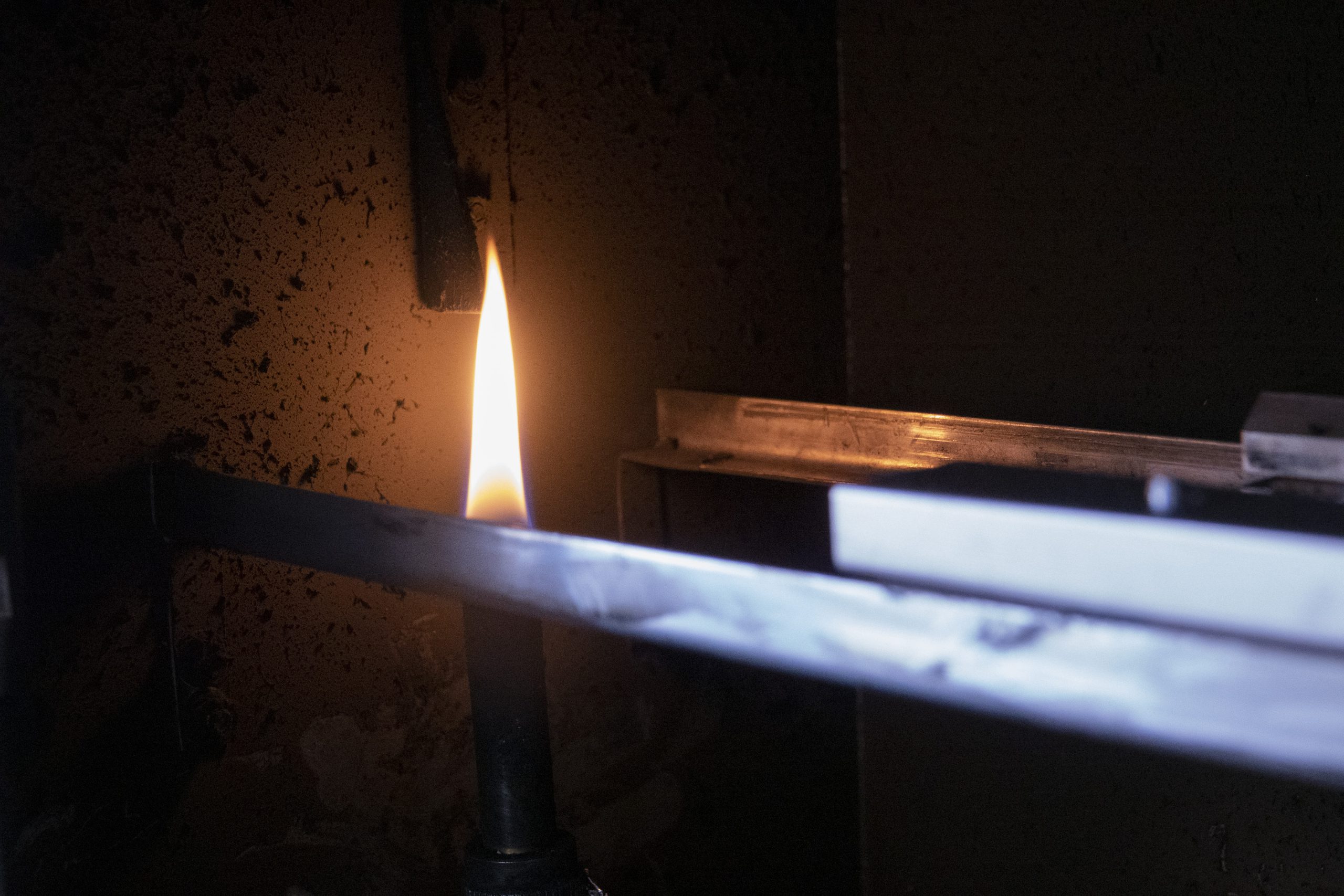
Fire Behaviour Testing
Assessment of the fire behaviour of materials and components used in vehicles, ensuring compliance with safety requirements and international regulations.
Testing is carried out in accordance with UN ECE R118, national and international standards and OEM specifications, making it possible to assess the flammability, flame propagation and behaviour of materials when exposed to ignition sources.
Capabilities
- Material flammability testing
- Assessment of melting behaviour
- Fuel and lubricant repellency tests
- Testing applicable to category M3 vehicles (classes II and III)
-
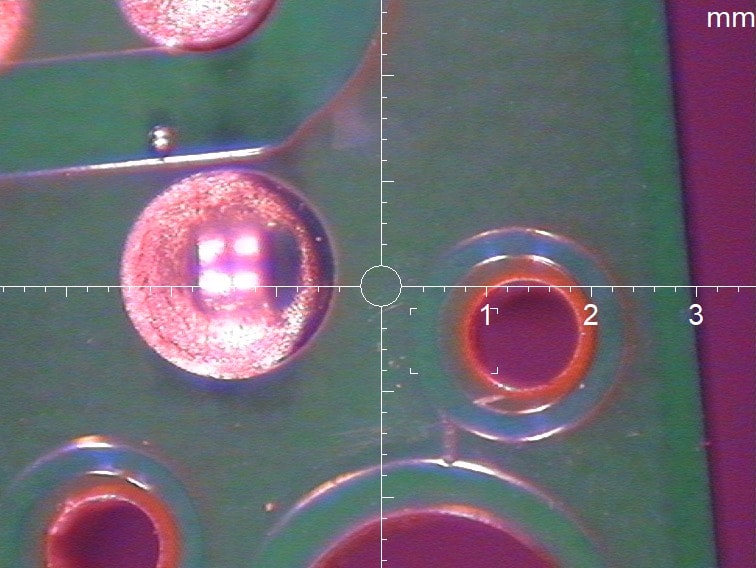
Characterisation of Materials and Components
We carry out physical, mechanical and chemical characterisation testing of materials, making it possible to assess their behaviour when subjected to different environmental and operating conditions.
Testing includes destructive and non-destructive analyses applied to materials used in the mobility industry, contributing to the validation of their durability, performance and compliance with technical requirements.
Capabilities
- Characterisation of polymers, textiles, coatings, foams and adhesives
- Hardness testing
- Colour fastness to rubbing and artificial light
- Resistance to water, condensation and chemical products
- Stone chip impact resistance
- Abrasion and scratch resistance testing
- Wear assessment under different environmental conditions
-
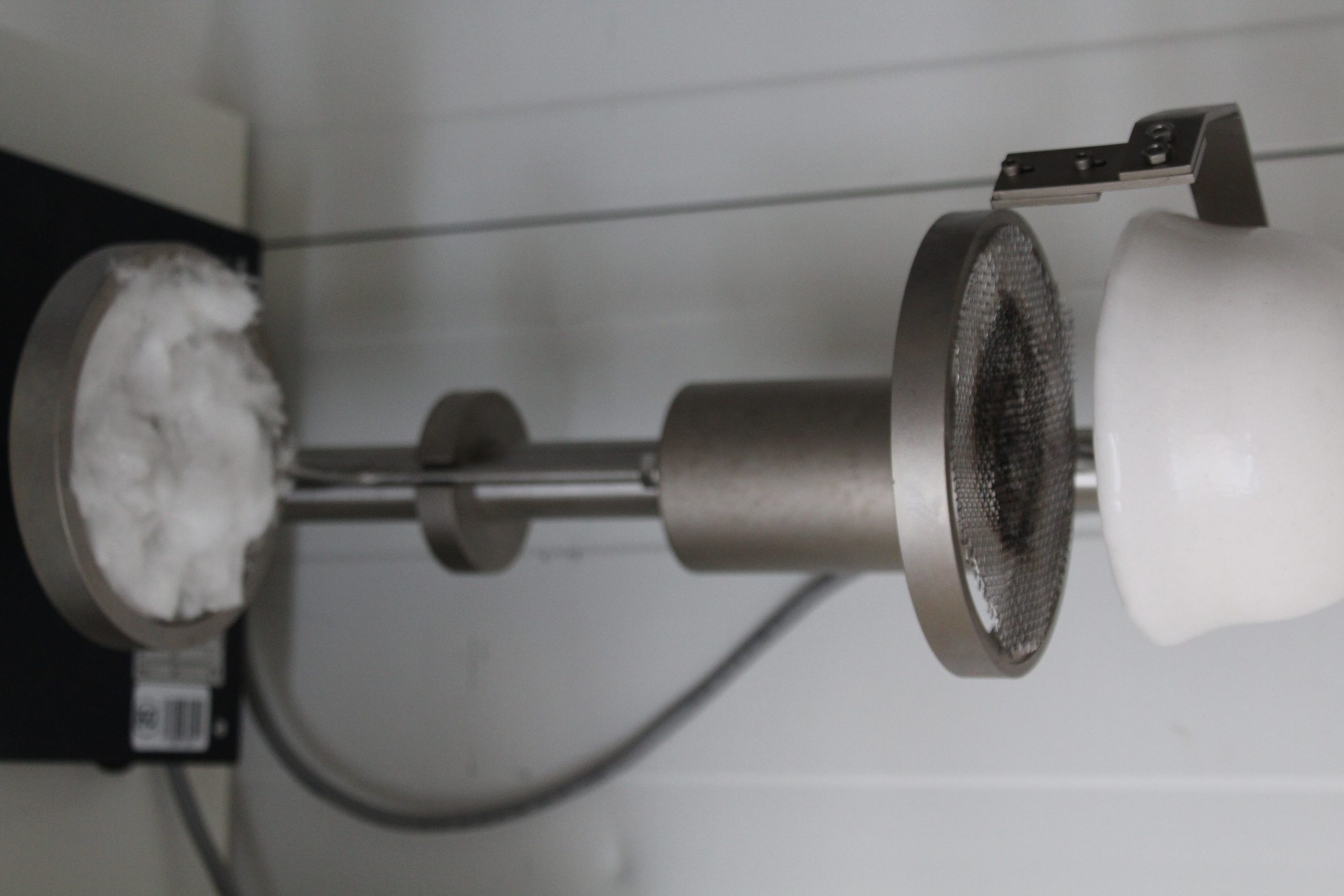
Advanced Chemical Analysis and Emissions
This laboratory carries out advanced chemical analyses and material emissions testing, ensuring compliance with regulatory requirements and technical specifications of the automotive industry.
The analyses make it possible to identify volatile substances, contaminants and restricted compounds, contributing to occupant safety and the environmental compliance of components.
Capabilities
- Gas Chromatography coupled with Flame Ionisation Detection (GC – FID)
- Gas Chromatography coupled with Mass Spectrometry
- Carbon emissions analysis
- Volatile organic compound (VOC) emissions
- Formaldehyde emissions
-
Radiometric, Photometric and Colorimetric Measurements
We characterise vehicle interior and exterior lighting systems based on LED technology through high-precision radiometric, photometric and colorimetric measurements. The laboratory has specialised equipment for the complete analysis of the optical performance of automotive lighting systems.
Capabilities
- Angular characterisation with goniometer (type C)
- Spectroradiometer (spectral range 360–830 nm)
- Imaging photometer and colorimeter
- Characterisation of LED systems
- Radiometric, photometric and colorimetric measurements, such as luminous flux (lm), illuminance (lux), luminance (cd/m2), colour coordinates, dominant wavelength (nm), CCT (K), among others
- Validation of interior and exterior lighting systems
-
Testing for Electric Propulsion and Energy Storage Systems
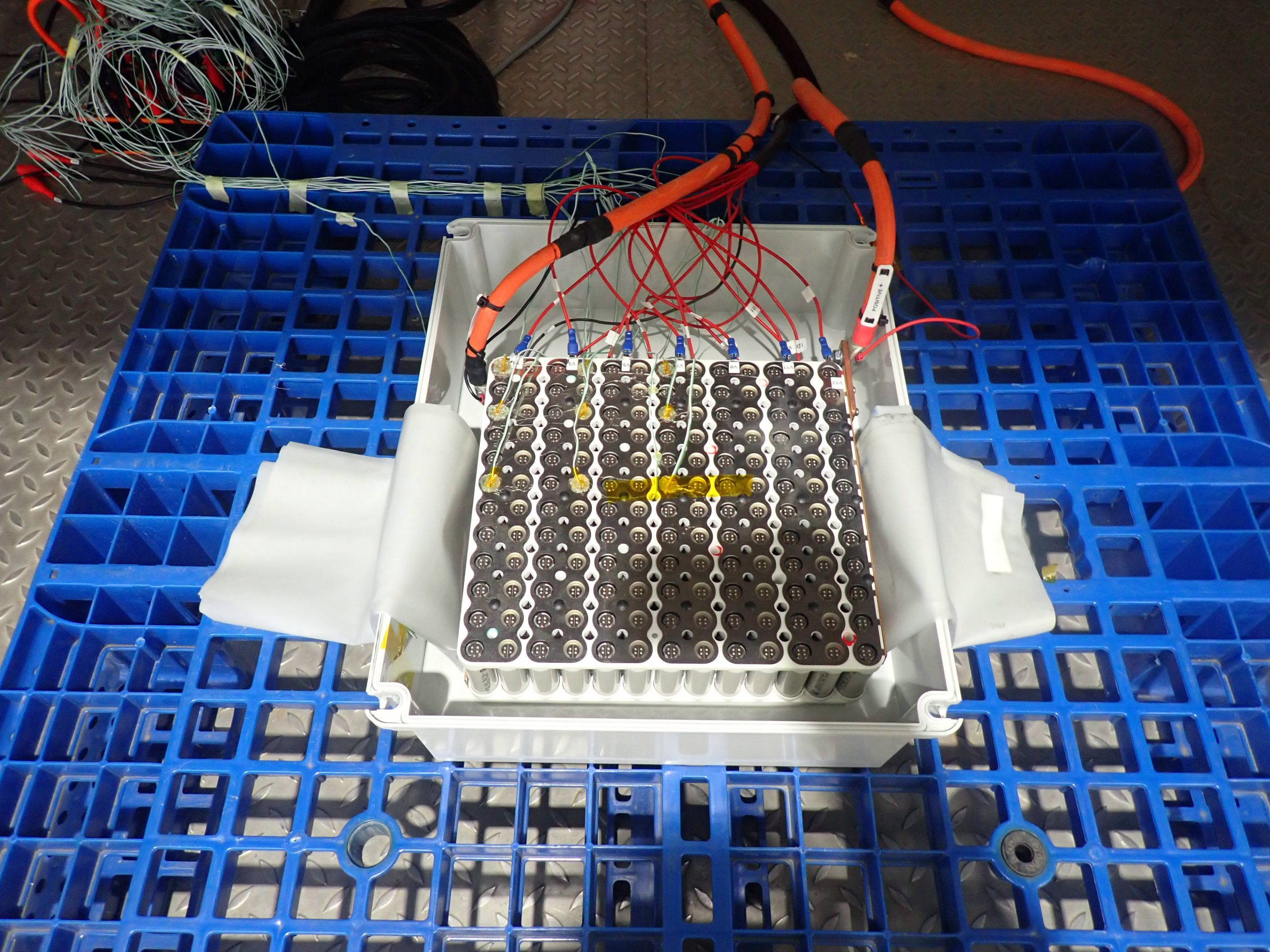
The Electric Vehicle Laboratory carries out validation, safety and performance testing on components and systems used in electric vehicles, including cells, modules and battery packs, as well as management systems (BMS) and hydraulic cooling circuits.
The tests simulate real operating conditions and extreme operating scenarios, making it possible to assess the safety, reliability, resistance and performance of energy storage systems and electric powertrain components throughout their life cycle.
Capabilities
- Battery charge and discharge cycle testing
- Assessment of capacity, impedance and internal resistance